Concrete contractor in Lone Tree, CO - driveways and walks on a packed base
Form & Finish Aurora Concrete is a concrete contractor based in Aurora. We pour driveways, patios, sidewalks, steps and footings in Lone Tree, CO, and we replace slabs that have cracked, sunk or started pooling water.
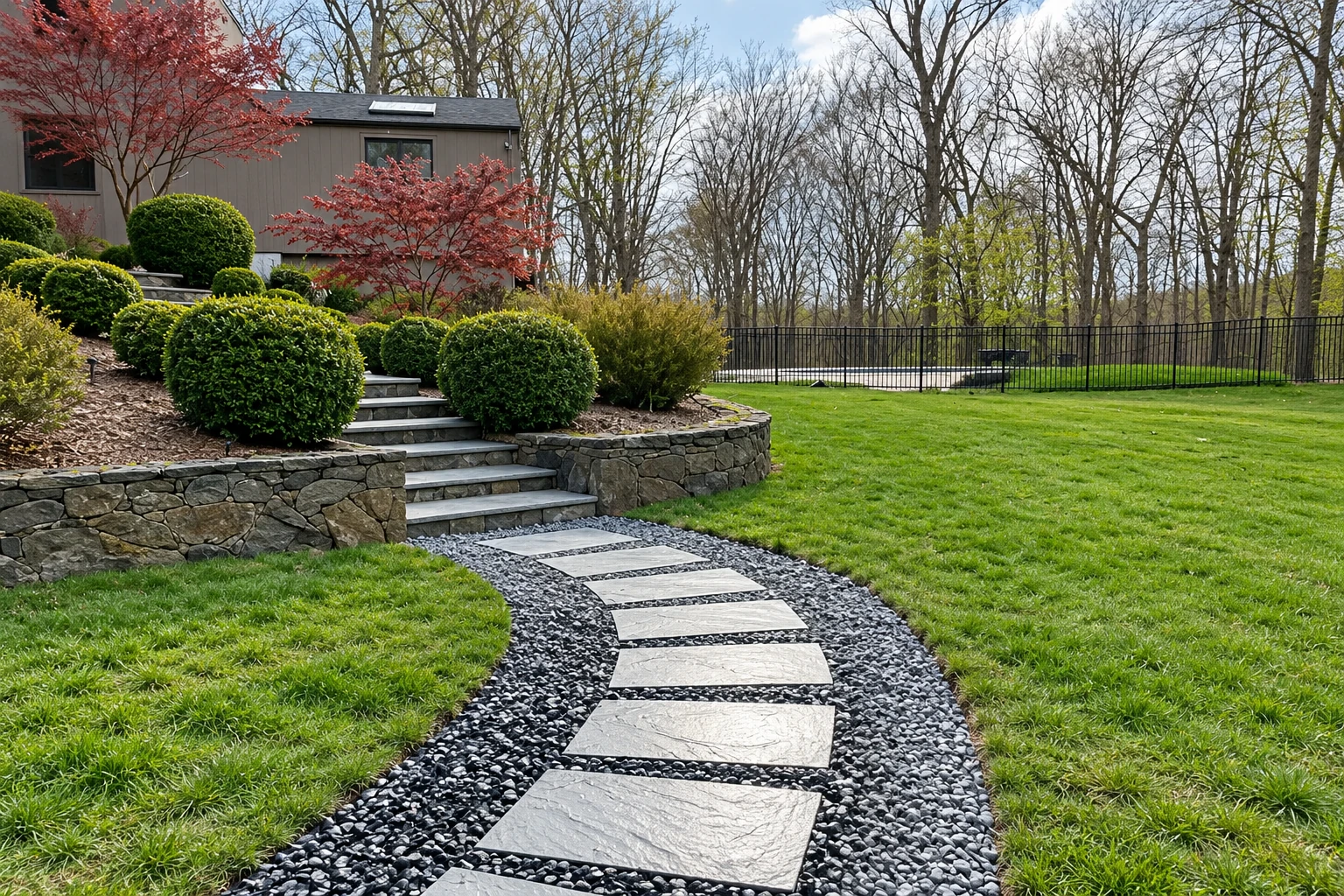
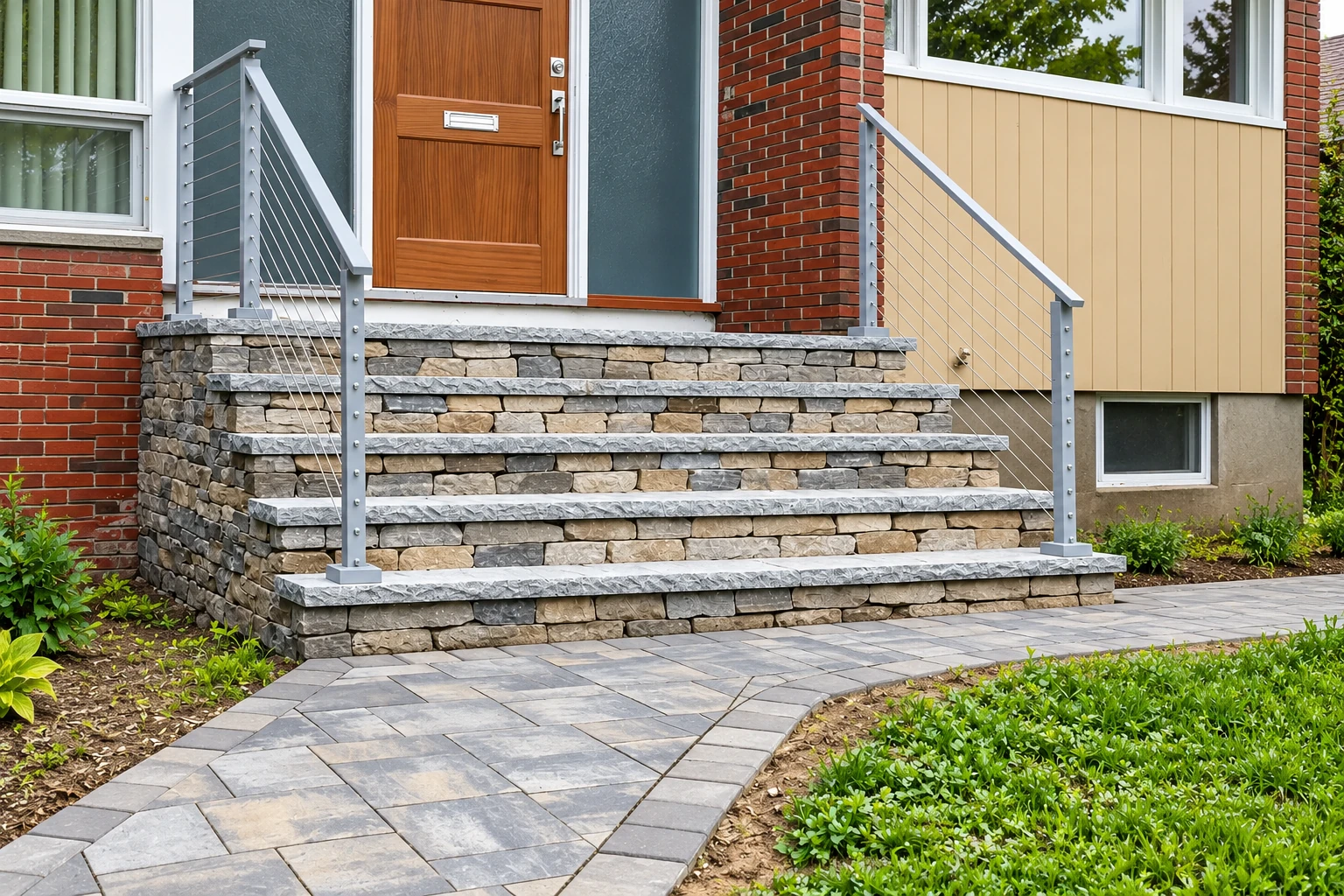
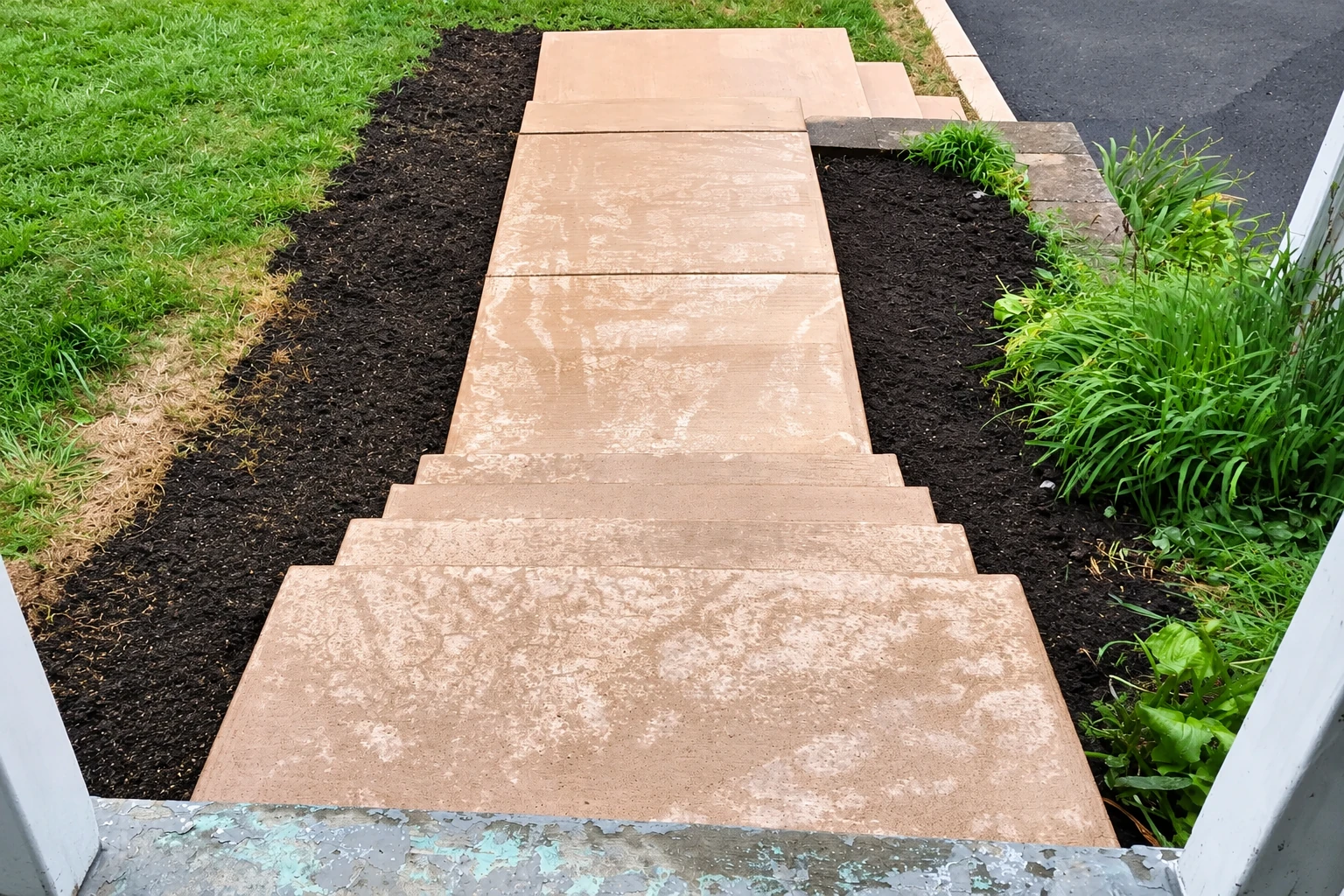
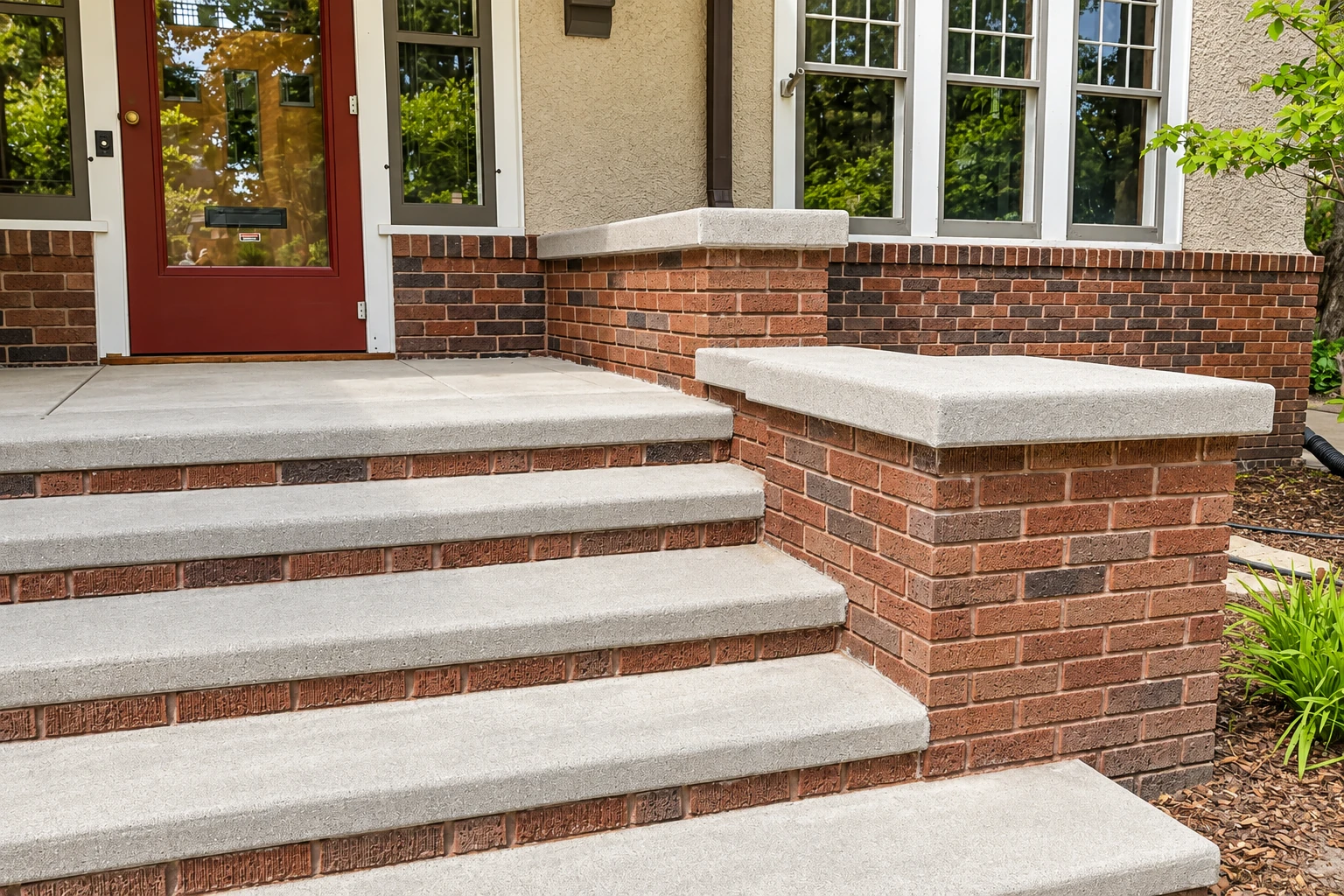
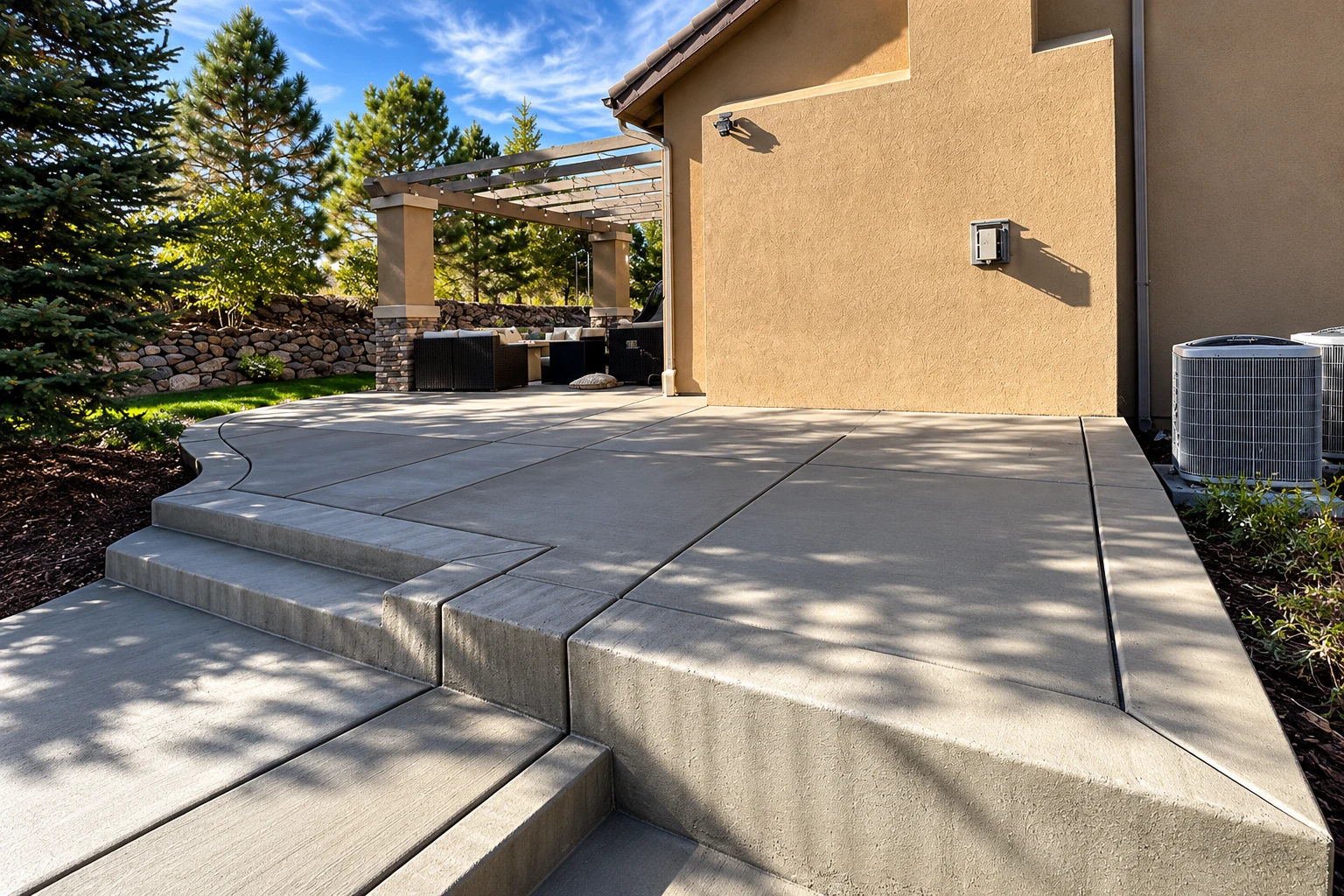
Concrete work in Lone Tree from our Aurora base
We're based in Aurora and work across the cities around it, including Lone Tree. I come out to look at each job and write the estimate myself. Our crew of finishers and laborers does the work, and I'm on site with them. We do the same kind of work in Centennial, Parker and Berkley.
The price depends on how much old concrete has to come out, how much digging and base work the ground needs, how thick the slab is, and any color or stamping. The schedule depends on whether you need a permit, the weather on pour day and the curing time. That's the wait while new concrete sits untouched and hardens. Your written estimate spells out what's included and what isn't.
If you're comparing bids, look at the base. It's buried by the end of the first day, and it's the first thing that gets cut to lower a price. A slab poured on raked dirt sinks when that dirt settles. I'd rather lose a bid than skimp on the base, because a nice finish over bad prep is money wasted.
Concrete services we offer in Lone Tree
Every concrete job we do in Lone Tree starts with one of the services below. Follow the links to see what each one involves and what drives its cost.
Concrete driveway building
If your driveway has sunk, cracked across or holds water, we dig it out, pack a new base and pour a slab that slopes away from the house.
Learn more about Concrete driveway buildingConcrete patio construction
We set a patio's slope before the pour so rain runs away from the back door. The top can be smooth or have a broom finish, a brushed texture for grip.
Learn more about Concrete patio constructionStamped concrete services
Stamped concrete is pressed to look like stone or brick while it's still soft. It suits a patio or entry where you want that look without pavers.
Learn more about Stamped concrete servicesConcrete sidewalk building
When a walk has heaved into a trip edge or broken up, we replace the bad sections and cut control joints, grooves that tell cracks where to run.
Learn more about Concrete sidewalk buildingGarage floor concrete
A garage slab that's cracked, sunk at the door or flaking on top can be broken out and repoured. We check the base before any new concrete goes down.
Learn more about Garage floor concreteDecorative concrete
Color, exposed stone, a saw-cut pattern or a smooth border can dress up plain concrete. I'll tell you when an upgrade won't pay off on your job.
Learn more about Decorative concreteConcrete retaining walls
Where a slope keeps sliding onto a patio or drive, a poured wall holds the soil back. The drainage behind it decides how long it stays straight.
Learn more about Concrete retaining wallsConcrete floor installation
We pour interior floors for basements, shops and additions, level and finished for the flooring or coating that goes on top. We deal with moisture underneath first.
Learn more about Concrete floor installationConcrete pool decks
A pool deck has to shed splash water away from the pool and the house and stay grippy when it's wet, so slope and texture come before color.
Learn more about Concrete pool decksConcrete steps construction
When front or back steps have cracked, pulled away from the house or gone uneven, we tear them out and re-form them with even heights so nobody misses a step.
Learn more about Concrete steps constructionSlab foundation building
For a garage, shed or addition on a slab, we set rebar before the pour. That's the steel that holds the concrete together if it cracks.
Learn more about Slab foundation buildingFoundation installation
We pour foundation walls for additions and new builds. They're formed to the plans and checked for level and square before the truck shows up.
Learn more about Foundation installationConcrete parking lot building
For a shop, office or multi-unit lot, we pour concrete parking on a base sized for its traffic, with drainage planned so water doesn't sit in the spaces.
Learn more about Concrete parking lot buildingConcrete footings
Footings carry a deck, porch, wall or addition, so they go below the depth where frost can push them up. Our crew digs, forms and pours them to the plans.
Learn more about Concrete footingsFoundation raising
If a slab or foundation has dropped on one side, raising it can sometimes save you from tearing it out. I'll tell you on site which one makes sense.
Learn more about Foundation raisingConcrete cutting
We saw-cut openings, trenches and control joints. We also cut out damaged sections cleanly so a repair doesn't take the whole slab with it.
Learn more about Concrete cutting
When old concrete needs more than a patch
A hairline crack in a slab that's still level is usually just concrete doing what concrete does, and it may not need anything. It's different when one side has dropped, water pools against the house or the edges are breaking off in pieces. Then the problem is under the slab, and patching the top won't fix it.
That's when we look at the base. If the slab is sound but has settled, foundation raising can sometimes bring it back up. If it's broken up, we use concrete cutting to take out the bad sections. Or we tear it all out and pour a new driveway on a dug-out, packed base.
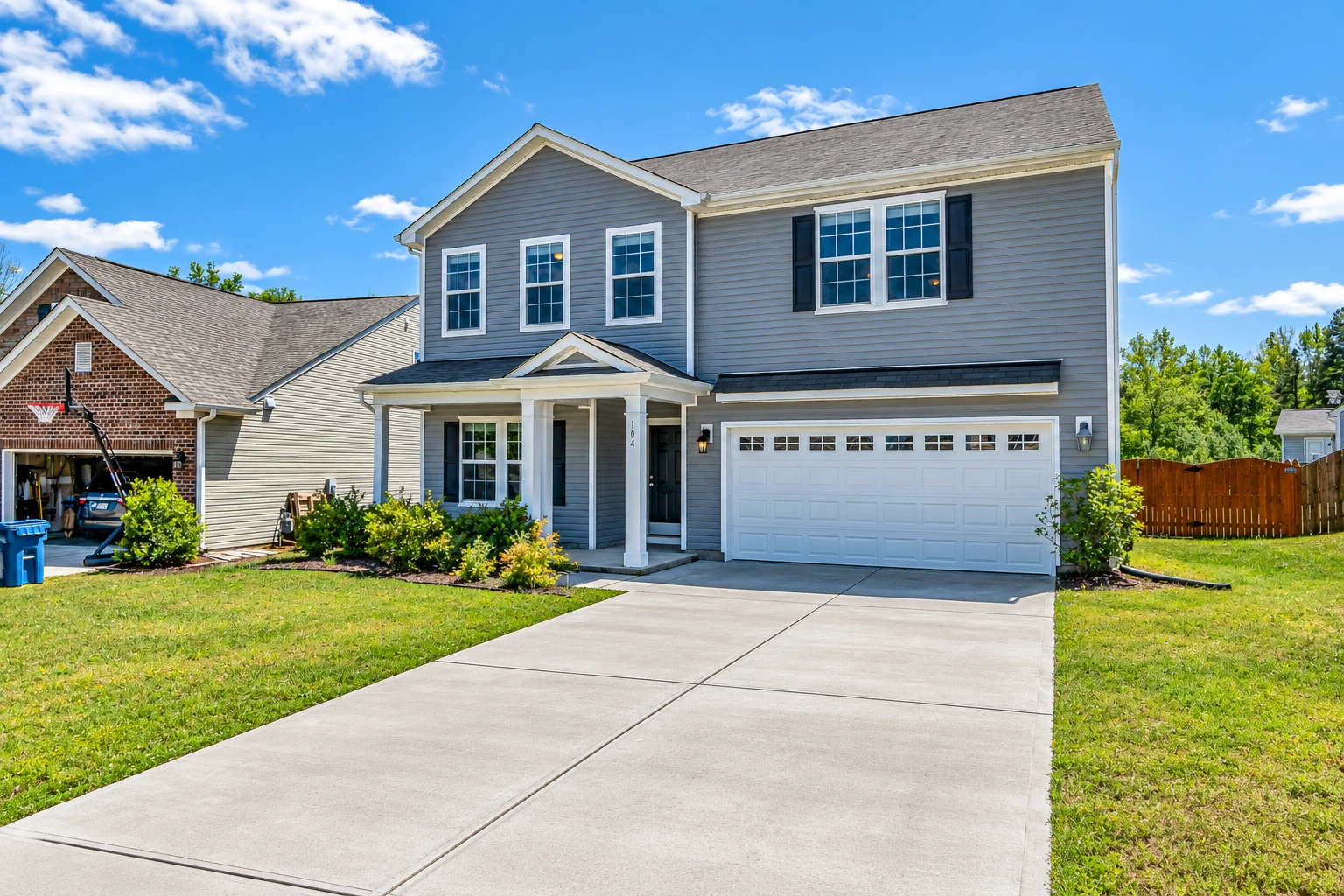
The driveways, walks and patios we see in Lone Tree
In Lone Tree, owners of single-family homes have to clear snow and ice next to their property. The city says most HOAs want sidewalks cleared within 24 hours of a storm. So walks and drives here get shoveled hard every winter. A weak, dusty top from a rushed pour usually shows it within a season or two.
Most calls are a driveway or walk that's cracked or sunk, a new patio out back, or steps that have pulled away from the house. On each one I check where the water runs first. A slab that slopes toward the house causes more trouble than any crack.
Tearing out old concrete means hauling it away. A dumpster on your property needs a temporary permit from the city unless there's an active building permit. A dumpster in the street needs a right-of-way permit from Public Works, which is generally issued within five working days. We plan the schedule around that.
What to sort out before your Lone Tree estimate
Your HOA's rules
The city strongly recommends getting approval from your HOA or its design review committee before any permitted work begins, and it keeps contact information for each HOA. If you're in one, check its rules on driveways and patios first. That way we price something it will approve.
Where the water goes
After rain or snowmelt, watch where the water sits and take a photo if you can. Pooling against the house or at the garage door tells me how the new slab needs to slope. That often matters more than the crack you called about.
How long you can do without it
Think about how long you can go without the driveway or patio and where you'll park in the meantime. The cure sets that wait, not us. Plan around it before we pick a pour date.
Lone Tree concrete questions we hear most
Do I need a permit for concrete work in Lone Tree?
Sometimes. The city's Building Division issues permits whenever you build, alter or repair a structure. Its list of work that typically needs no permit includes retaining walls under 4 feet, so ask about a taller wall early. We check with the city for your address and get any permit the job needs before work starts.
Who needs a business license to work on a house in Lone Tree?
Anyone doing business in Lone Tree needs a City business license, and the Finance Department requires anyone performing work in the city to apply. The Building Division won't issue a permit until everyone on it holds a valid business license, so ask any contractor you're considering about it up front.
Does Lone Tree require a contractor license for concrete work?
Not from the city's Building Division, which neither issues nor requires contractor licenses. What the city does check is the business license, for everyone named on a permit. We're fully licensed and insured.
How deep do concrete footings have to be in Lone Tree?
The city's design rules set a minimum frost depth of 36 inches for foundations. Footings go at least that deep so they sit below the depth where frost lifts the ground. We dig and pour to that minimum, or deeper if your plans call for it.
Will my new concrete driveway crack like the old one did?
Concrete can still crack, but a packed base, the right thickness and control joints cut on time keep cracks to the places we chose. Most of the slabs we tear out were poured on a base that was just raked level and sank with the dirt. That's the step I won't cut corners on.
Is summer heat a problem when pouring a concrete patio?
It can be. Concrete that dries too fast in midday heat often ends up with a weak, dusty top that chips later. If the forecast is wrong for a good pour, I'll tell you to wait a day rather than pour anyway.
Tell us about your Lone Tree concrete job
Tell us what you want poured or fixed, plus your address. We reply within one business day to set up a free on-site estimate in writing, with no obligation.
(720) 500-8526Mon–Sun: 6 AM–11 PM