Concrete footings in Aurora CO - sized for your soil and set below the frost line
Need footings poured for an addition, deck or garage? We size them to the load and the soil, so what sits on top stays level.
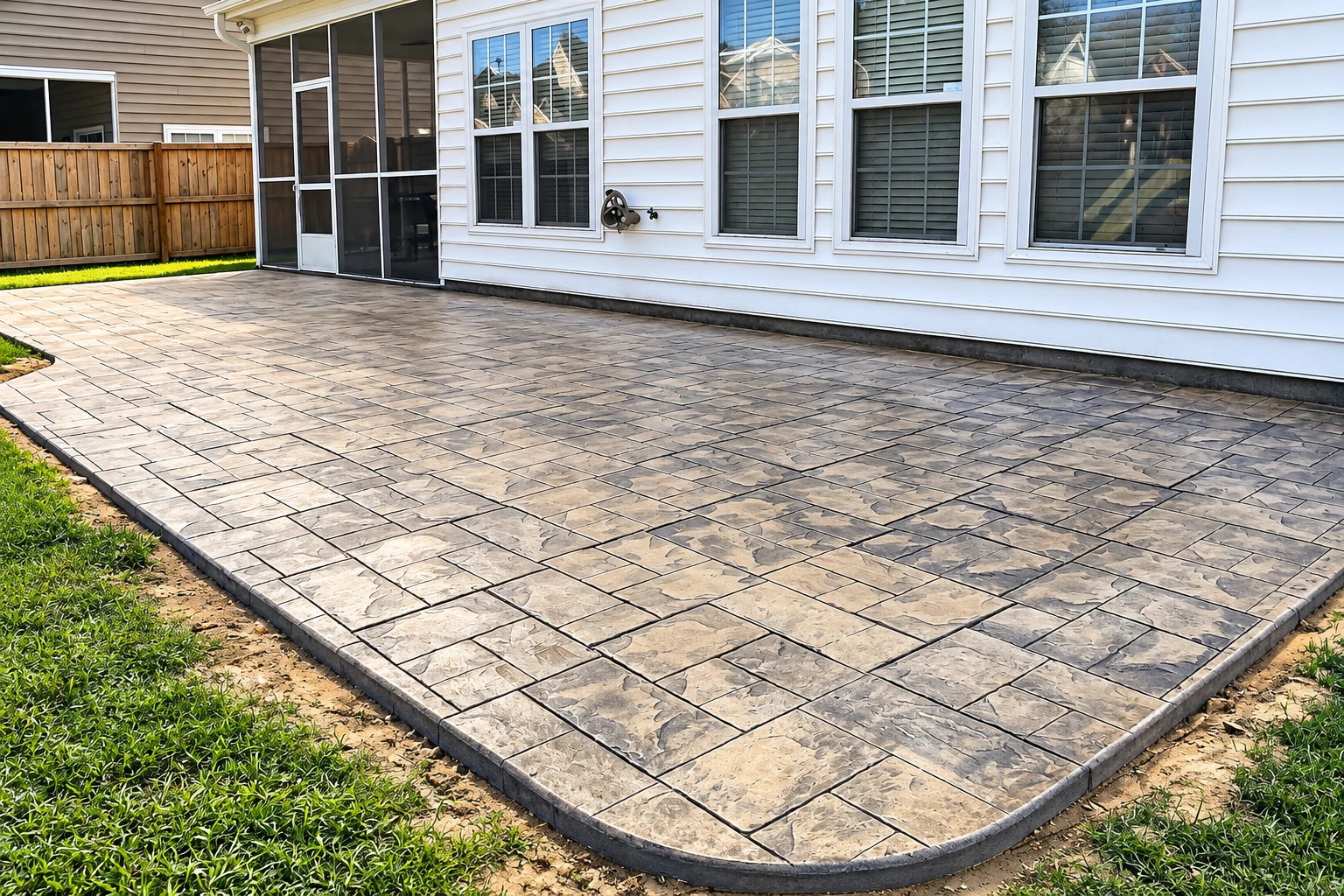
Concrete footings, the part nobody sees
We pour concrete footings in Aurora for additions, garages, decks and heavy walls. A footing is the concrete base that spreads the weight of a wall or a post into firm ground, so what's built on it doesn't settle. Once the dirt goes back you won't see it, which is why I care about it more than anything we finish.
The price turns mostly on how wide and deep your soil makes the footings, how many feet of them you need and whether we dig by machine or by hand. The schedule turns on the soil review, the weather and curing, the days the concrete needs to gain strength before anything is built on it. I put your figure in writing once I've seen the site.
Footings are one part of a foundation. If you need the floor poured too, look at slab foundation building, and if the walls go in with the footings, that's foundation installation. Most of our calls come from homeowners, with some from builders who need footings poured before framing starts.
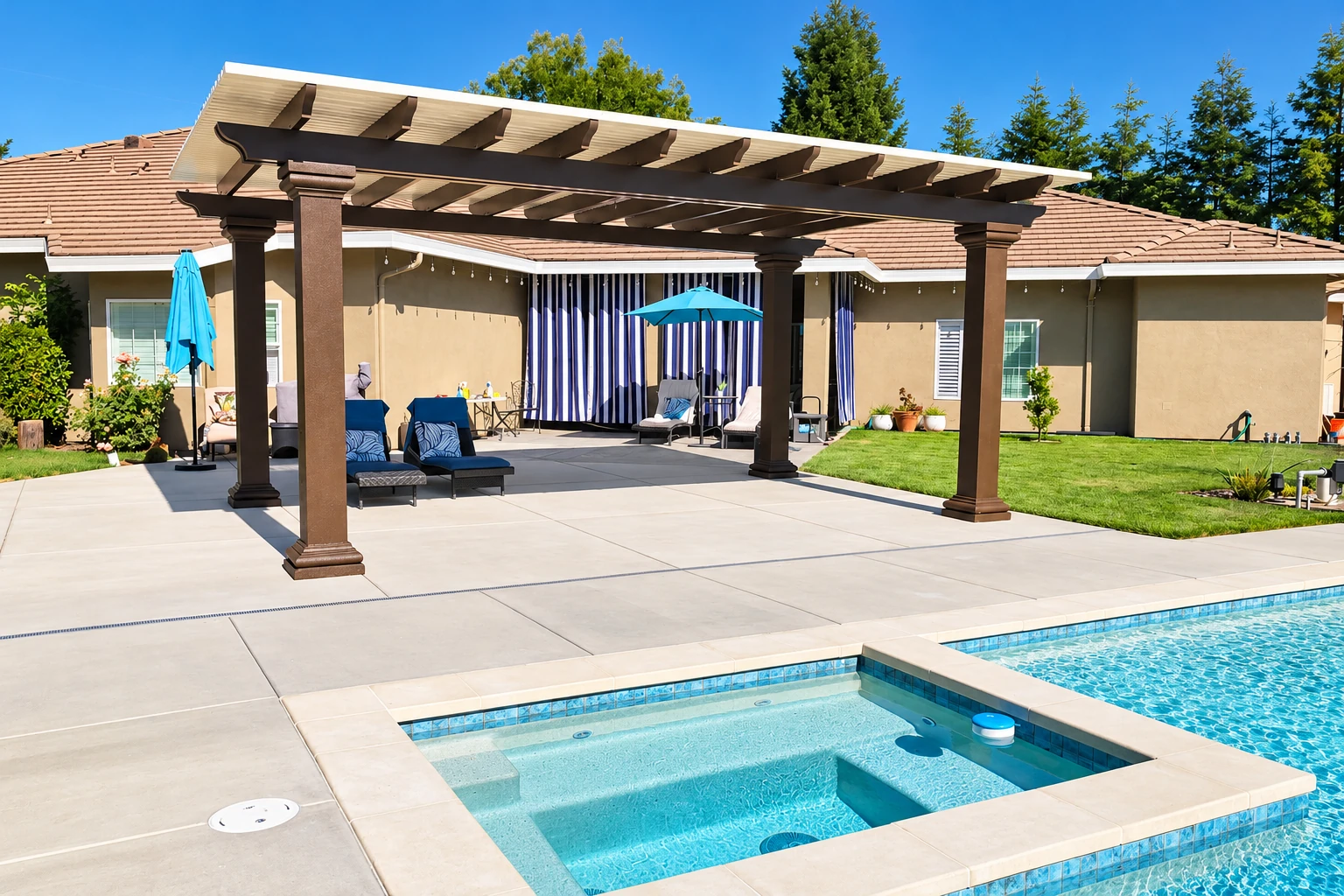
What new concrete footings can hold up
Room additions and garages
A new room or garage needs a footing under every wall that carries weight, poured to the size the load calls for. We pour them before your framer or mason starts, so the walls go up on a base that's square, level and ready.
Decks, porches and posts
Deck posts and porch columns usually sit on piers, round concrete columns poured into holes. A pier can be straight or flared at the bottom, and the flare spreads the load wider on softer ground, which can mean fewer piers overall.
Heavy loads on soft ground
A post or wall set on loose fill or bare topsoil sinks over time. A footing dug down to firm ground and sized to it gives the weight somewhere solid to sit, whether that's a block wall, a chimney or a new porch.
New footings or a fix for what's there?
New footings are for something you're about to build. If the house you already have is sinking, with cracks over doors and floors out of level, pouring new footings beside it won't lift it back. That's foundation raising, a different job that brings the existing structure back up.
If the footing has to go through a slab that's already there, like a post in a garage or a new wall in a basement, we open that section first with concrete cutting, then dig and pour. Tell us what's on top of the spot and I'll sort out which of these you need when I come out.
What to settle before we dig footings
What the footings will carry
Tell us what's going on top and send any soil report you have, because that sets how wide and deep the footings go. Shrinking them is the easiest cut on paper and the worst one, since it's very hard to fix once the walls are up.
Where the water goes
Water that ponds in an open trench or against a new footing works on the ground under it, and clay left to dry out before the pour causes trouble too. We look at where the water runs before we dig and keep the trench open only as long as we need it.
Getting to the dig
Fences, sprinkler lines, trees and tight side yards decide whether we dig by machine or by hand. That changes both the price and how long the job takes, so point them out when I come out to look.
What Aurora soil and frost mean for footings
Aurora's city code puts the frost line, how deep the ground can freeze, at 36 inches, so footings here go below that depth to keep frost from pushing them up. The City of Aurora also requires contractors to hold the right license to build or add to any structure, and we're fully licensed and insured.
Most homes in Colorado sit on clay that can swell when it gets wet, so soil is the first thing I ask about on a footing job. We're based in Aurora and work across the cities around it, including Centennial and Parker. Tell us what you're building and whether the house already shows cracks or doors that stick.
Questions about concrete footings in Aurora
How much do concrete footings cost in Aurora?
Installed concrete footings across the US usually cost about $4 to $20 per linear foot, which covers the digging, the concrete and the labor. Where yours land depends mostly on the soil, since wider, deeper footings on weak ground can cost several times what shallow ones do. That's a national figure, so I price your Aurora job on site.
Does my soil in Aurora need a special footing design?
It does if your soil swells enough, since engineers generally count soil that swells 3% or more in volume as potentially damaging and design foundations specially for it. Ask whoever designs yours how deep and wide the piers go, how much steel goes in and how water is handled. Send us the soil report and we'll build to it.
Who should check my soil for swelling clay before footings go in?
A professional soil engineer and an engineering geologist should, because you can't reliably spot swelling clay by looking at it. On a clay site that review comes first, before anyone sizes a footing. If you already have a soil report, send it along when you ask for an estimate.
Can concrete footings be poured in winter in Aurora?
Yes, as long as the fresh concrete is protected, and industry guidance treats it as cold weather once the air falls to 40°F or is expected to drop below it. Mild cold may only need insulating covers, while hard cold or high wind can call for enclosures and heaters. We cover or heat the pour, or tell you it's better to wait.
Do I need a permit for concrete footings in Aurora?
We find that out for you by checking with the city or county office for your address before work starts. When the job needs a permit, we take care of getting it before we dig, so you don't have to chase it yourself.
Tell us about your footing job
Send the site address, what the footings will carry and any soil report you have. We reply within one business day and set a free on-site estimate with no obligation.
(720) 500-8526Mon–Sun: 6 AM–11 PM