Concrete driveway building in Aurora CO - a slab built for freeze, thaw and salt
Cracked, sinking or pooling driveway? We dig out the old base, pack a new one and pour a slab that drains away from your house.
What goes into a new concrete driveway
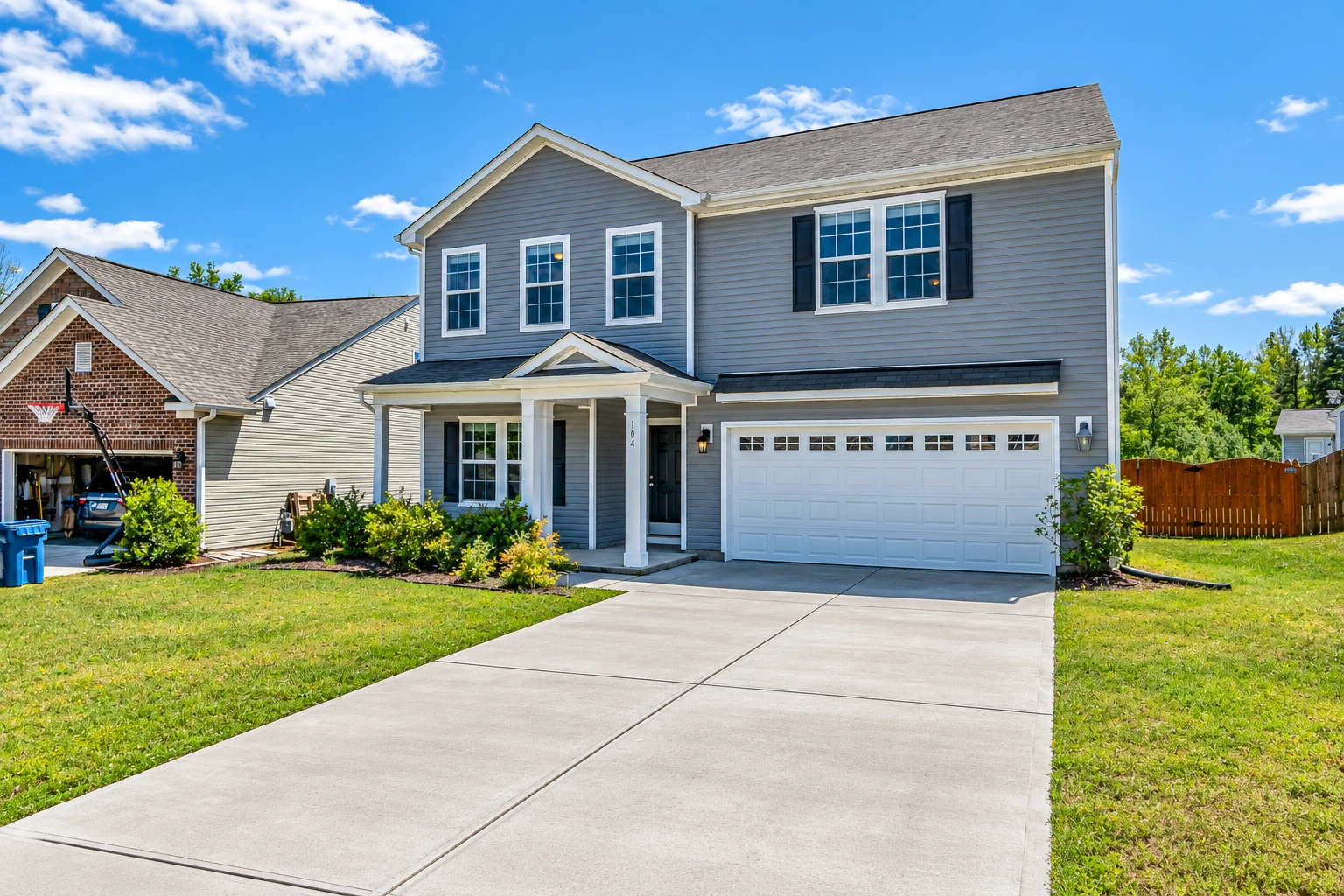
Concrete driveway building in Aurora starts with tearing out the old drive and digging down to firm subgrade, the ground the slab sits on. Then our crew packs a new base, sets forms, and pours and finishes the slab. Driveways are what Form & Finish Aurora Concrete is best known for, along with patios and other flatwork, the flat slabs around a house.
The price moves with the size of the drive, how much old concrete and soft dirt has to come out, how thick the slab needs to be for what parks on it, and the finish you pick. The schedule turns on the weather and on curing, the wait while the concrete hardens before you can drive on it. I come out and write you an estimate that spells out what's included and what isn't.
A driveway isn't a concrete patio with cars on it. It carries more weight, takes plows and winter salt, and has to drain away from the garage and the house, so the base and the mix matter more than they do out back.
What a new concrete driveway can fix
Cracks that keep spreading
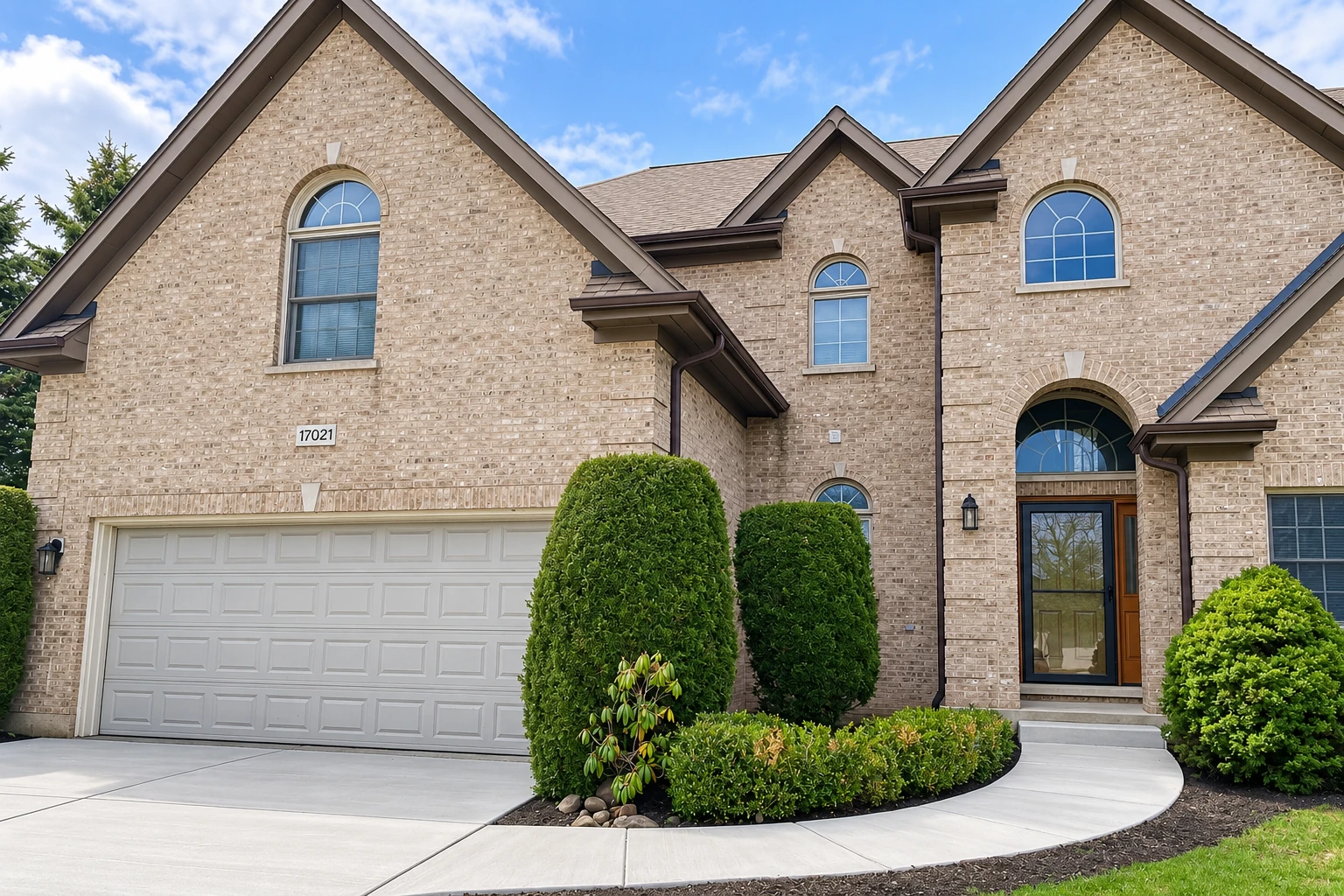
When a driveway has cracked through or broken into chunks, patching rarely lasts. A new slab gets control joints, shallow grooves we cut so the concrete cracks along a straight line we chose instead of wherever it wants.
Sinking and uneven sections
A drive that's sunk or tipped usually sat on a base that was raked level instead of dug out and packed, so it settled with the dirt. We dig out the soft material and pack the new base before any concrete shows up.
Water pooling near the house
Puddles that sit on the drive or run back toward your garage come from a slab that falls the wrong way. We check where the water goes before we set forms, so the new slab sheds it away from the house.
Do you need a whole new driveway
If the slab is cracked through, sinking or sending water at the house, you need a new driveway, because the trouble is in the base under it and a new top won't reach it. If one corner broke and the rest is sound, tell me, and we'll talk about replacing just that section.
Most driveways get a broom finish, a light grooved texture dragged across the wet concrete so tires and boots grip in snow. Stamped concrete presses a pattern into the top and costs more, and on a drive that sees plows and salt I'll tell you straight whether it's worth it.
If the budget is tight, put the money in the base and skip the upgrade, because nobody sees the base on day one but it decides how long the slab lasts. I'd rather lose a bid than pour a nice finish over bad prep.
What we settle with you before the pour
What will park on it
Tell us at the estimate if a truck or trailer will park on the drive, so we can plan the slab for that weight. That can mean a thicker slab or rebar, the steel laid inside that holds the concrete together and helps carry the load.
The mix and the pour date
What wears a driveway out here is water and winter salt, so we go over the mix and the pour date with you before we order concrete. In summer we plan around midday heat, because a top that dries too fast turns weak and dusty later.
Where the cars go meanwhile
Plan somewhere else to park, because the drive is off limits from tear-out until the concrete has cured enough to take your cars. Weather can push a pour date, so we set it with you and call you if it moves.
Driveway permits and work in Aurora
Work in Aurora's public right-of-way, like a new curb cut or the sidewalk your drive crosses, needs a permit from the city's director of public works, and contractors need the right city license. We're fully licensed and insured, we check with the office for your address, and we get any permit your job needs before work starts. The city doesn't require an inspection for a single-family driveway behind the public sidewalk.
We're based in Aurora and work across the cities around it, including Centennial and Parker, and if your city isn't on this site, call and ask. Calls here usually start with a drive that's cracked, sunk or holding water. Tell us what parks on yours, whether it reaches the curb, and where water sits after a storm.
Questions Aurora homeowners ask about driveways
What does a concrete driveway cost around Aurora?
Concrete driveways in the Denver metro area usually cost about $8 to $20 per square foot, and that's the going range, not a quote from us. Where yours falls depends on size, tear-out, slab thickness and finish. I'll measure on site and write up your number with what's included and what isn't.
Can a concrete driveway be poured in cold weather in Aurora?
Yes, though it costs more. National cold-weather guidance says the extra goes to insulating blankets, tarps and heaters, and that protection most likely keeps a project on schedule, since concrete that freezes early without it could be weakened for good. We'll lay out both costs, and if waiting for milder weather is cheaper, I'll say so.
Will my new concrete driveway crack like the old one did?
A new driveway can still crack, but good concrete on a packed base, with joints cut on time, is your best protection. Aurora's city code rates the city as subject to severe weathering damage, and in Colorado, freezing and thawing while concrete is soaked, along with deicing chemicals, do the most harm to poor concrete. That's why we settle the mix with you first.
Do I need city approval for a new driveway curb cut in Aurora?
Yes, and the first step is calling the city's Engineer on Call at 303.739.7575 for a first review of what code requires. Requests on local streets can go further, while access onto a collector or arterial street, the busier through roads, isn't likely to be allowed. If it moves ahead, the work at the curb needs the public works permit covered above.
How do I take care of a concrete driveway through winter?
Clear snow and ice promptly, repair cracks before sealing, and clean and reseal the surface now and then, which is the usual advice for outdoor concrete. Ask us which sealer we'd use, since its maker's directions set how often to reseal. Federal highway research links calcium and magnesium chloride deicers to damage in concrete pavement, so ask which deicers suit a new drive.
When can I drive on my new concrete driveway?
Not until it has cured enough, and you can't judge that by its color or how hard the top feels. Driveway guidance says to keep vehicles off the edges and corners early on, because concrete keeps gaining strength well after you can walk on it. We'll tell you when it's ready for your car and when it's ready for anything heavier.
Tell us about your concrete driveway
Send its size, whether it reaches the curb or sidewalk, and the heaviest vehicle it'll carry. We reply within one business day, then I come out for a free, no-obligation estimate.
(720) 500-8526Mon–Sun: 6 AM–11 PM