Concrete Sidewalk Building in Aurora CO - a walk built for what crosses it
Walk cracked, sunk or tilting toward the house? We dig it out, pack the base and pour a new walk that drains away.
A concrete sidewalk is mostly what's under it
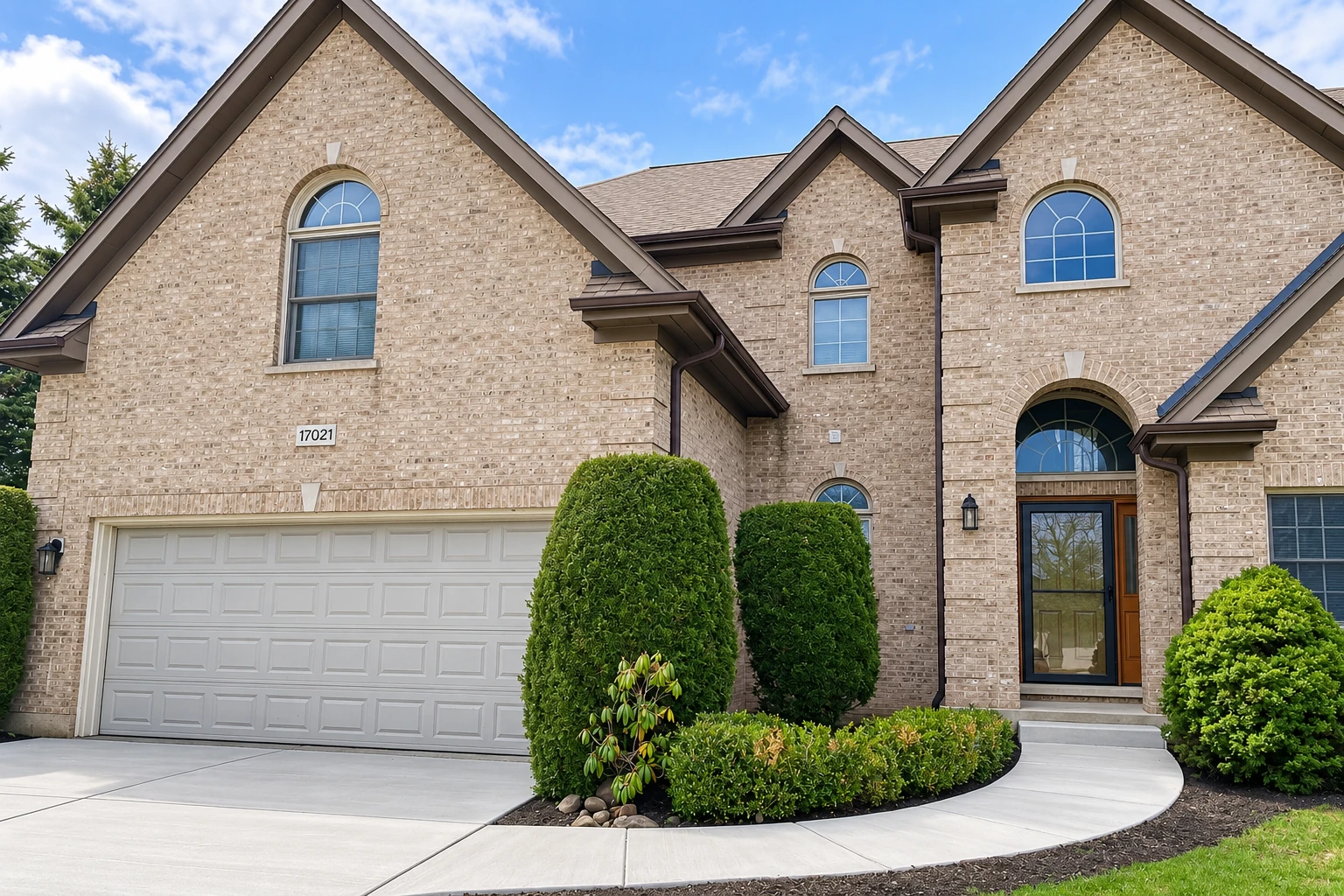
Concrete sidewalk building in Aurora covers the walks around your house, like the path from the driveway to the front door or along the side to a gate. It's flatwork, our name for any slab poured on the ground, and most of the work happens before the truck shows up. We dig out the soil, pack a base, then pour and finish.
The price moves with the walk's size, how thick it needs to be, how much soft ground we dig out and whether an old walk has to be broken up and hauled off. The schedule turns on the weather, the wait while fresh concrete cures, and the city if the walk meets the public sidewalk. Your written estimate spells out what's included and what isn't.
What a new concrete sidewalk fixes around your house
Walks that crack and sink
When an old walk has sunk, heaved or split into pieces with edges that catch a toe, patching rarely lasts because the trouble is usually the ground underneath. We break it out, fix the base and pour new.
Water running toward the house
A walk that tilts toward the house sends rain at your foundation, and a low spot leaves a puddle you have to step around. A new walk can be set to drain away, with the water sent somewhere it won't cause trouble.
No path where people walk
If everyone cuts across the lawn to the side gate, the grass wears down to mud. A new walk gives them a firm, flat route, and we lay it out with you so it follows the way people already go.
Sidewalk, driveway, patio or something more?
If a car will park on it or drive across it, you need a driveway, since a vehicle's weight calls for a heavier slab and base than feet do. If you want room for chairs and a grill instead of a path, that's a patio.
If the slab inside your garage is cracked too, that's garage floor concrete, and I can look at both on one visit. Where the yard drops off, steps usually work better than a steep walk.
Color, a pattern or a texture is decorative concrete, poured on the same base as a plain walk. The base is where the money belongs, because nobody sees it after day one and it keeps the walk from settling, so on a tight budget I'd skip the upgrade before I'd skimp underneath.
What to settle before we pour your walk
What will cross it
Tell us if it's just feet or also delivery carts, a mower or a wheelbarrow, because that sets how thick we pour and how deep we build the base. It's cheaper to size it right once than to tear out a walk that turned out too thin.
Getting to the work
If the walk runs behind a fence or along a narrow side yard, the truck may not reach, and moving concrete in by wheelbarrow or pump can add cost. Show us any sprinkler lines along the route so we can work around them.
The day we pour
We like to pour early, because concrete finished in the midday heat dries on top too fast and ends up weak and dusty. If the weather isn't right for a good pour, I'll tell you to wait rather than rush it.
What Aurora requires when a walk meets the street
Any work in Aurora's public right-of-way, the strip with the public sidewalk and curb, needs a permit from the city's director of public works before it starts. A walk set behind the public sidewalk at a single-family home doesn't need the city's inspection, but we check your address with the city and get any permit needed before we pour.
Around Aurora we're usually replacing a walk that has sunk, split or tipped, or adding one where there never was a path. Tell us where the walk has to meet a door, a gate or the drive, because that sets the layout and the slope. We're based in Aurora and work in Centennial, Parker and the cities around them.
Questions people ask before a new sidewalk
How much does a new concrete sidewalk cost in the Denver area?
An installed concrete sidewalk in the Denver metro area usually costs about $7 to $13 per square foot. Thickness, how much ground has to be dug out and whether an old walk comes out first push it up or down. Your written estimate gives you the number for your walk.
How thick should a concrete sidewalk be for my house?
A Michigan concrete trade group recommends at least 4 inches, or 5 inches if delivery vehicles will cross it. If a truck will ever pull onto your walk, plan the thicker slab from the start, since adding thickness later means tearing it out.
Will my new concrete sidewalk crack like the old one did?
Any concrete can crack, so the goal is to decide where. We cut control joints, shallow grooves that give the slab a planned place to crack, and we set it on a dug-out, packed base, because old walks usually break when their base was just raked level and settled with the dirt.
How long before I can walk on a new concrete sidewalk?
Plan on 7 days before regular use. The same Michigan guidelines say a new sidewalk can open to traffic after 7 days of curing, or sooner if testing confirms it's strong enough. If you need the walk by a certain date, tell us so we can plan the pour around it.
Can you pour a concrete sidewalk in cold weather?
Yes, as long as the ground and the fresh concrete are kept warm enough. The Michigan guidelines call for ground at 40°F or warmer and covers like insulating blankets, straw or hay that hold curing concrete at 50°F or more for three days. If the forecast won't allow that, I'll tell you to wait.
How do I check that a concrete contractor is licensed in Aurora?
Search the company's name in the City of Aurora contractor lookup before you sign. For concrete work in the public right-of-way, the city also has its own right-of-way contractor license, so ask whether your contractor holds it. We're fully licensed and insured, and we'll answer that question straight.
Tell us about the sidewalk you need
Send the walk's size and whether delivery vehicles will cross it. We reply within one business day, and I come out myself for a free, no-obligation estimate.
(720) 500-8526Mon–Sun: 6 AM–11 PM